Shared learning journey
Learning is a shared journey, built on strong, meaningful relationships with tamariki and their whānau, where their voices, cultures, and aspirations are valued and celebrated.
Centre philosophy
Our philosophy is guided by Te Whāriki and shaped by warm relationships, responsive play-based learning, and the belief that every tamaiti is capable, confident, curious, and full of potential.
Guiding statement
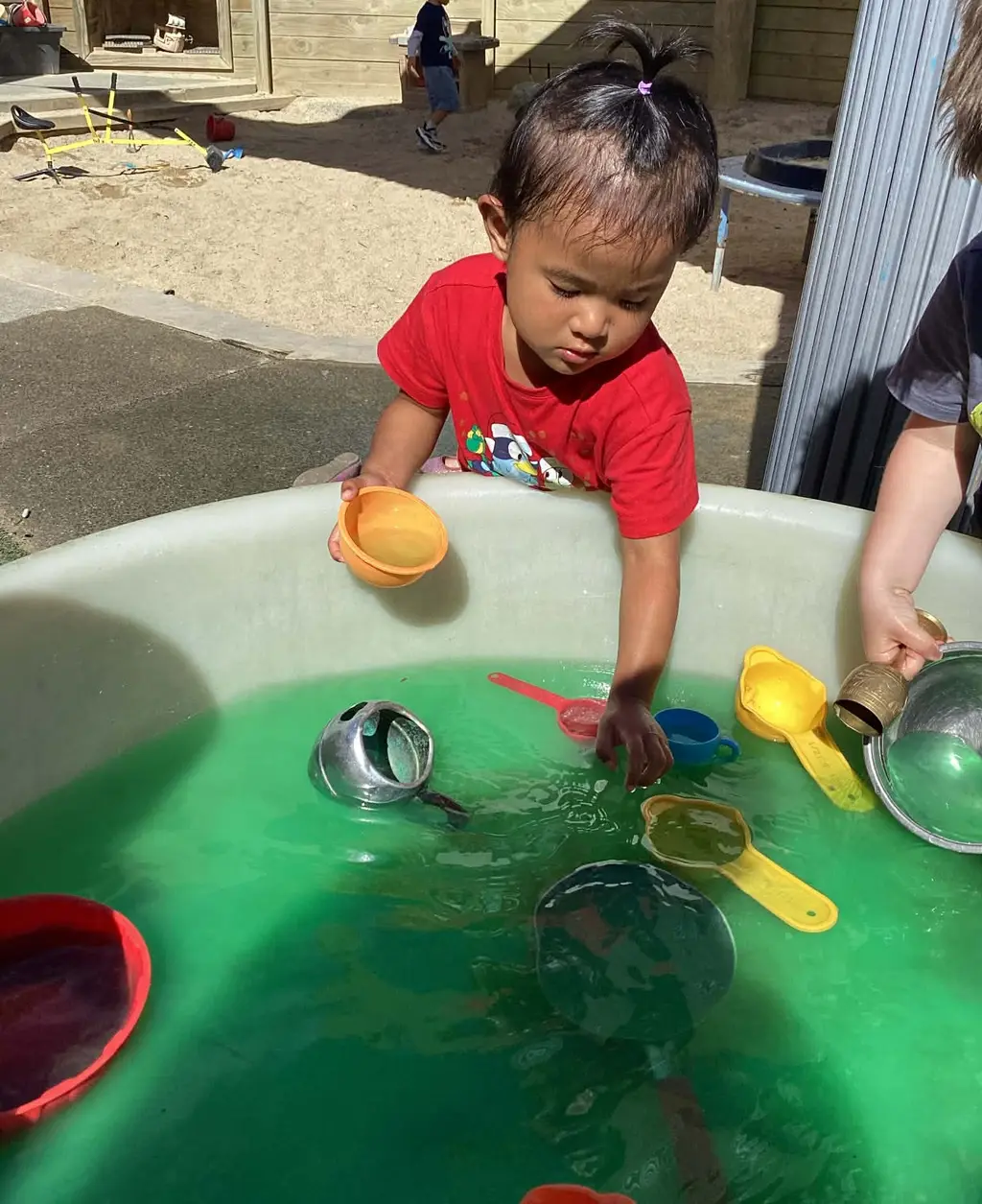
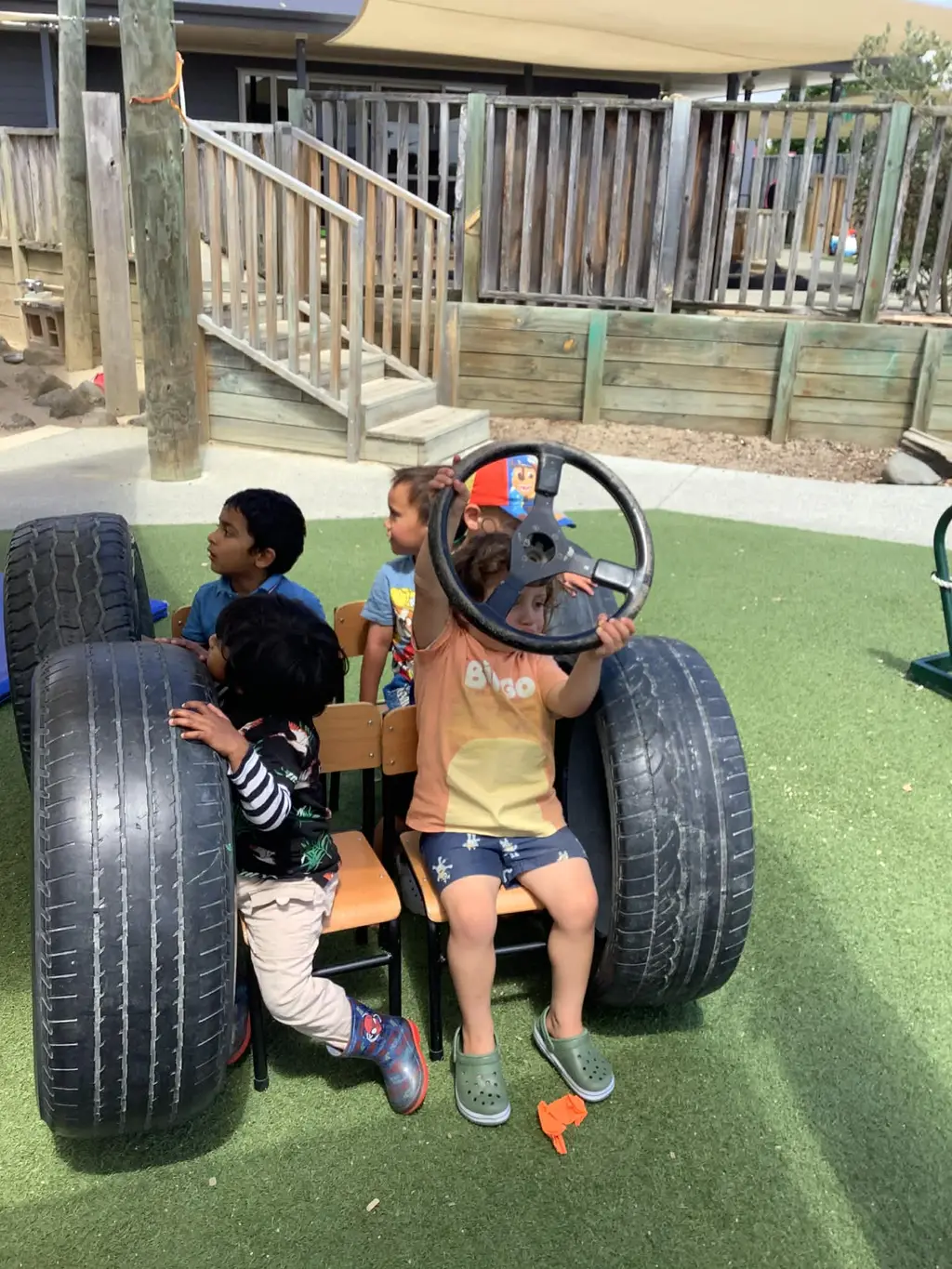
At Highfield Haven, we see every tamaiti as a capable, confident, and curious learner, each with their own strengths, interests, and potential. Guided by Te Whāriki, we provide a play-based, responsive learning environment where tamariki are supported to explore, discover, and grow at their own pace.
Jan 2026 to be reviewed Jan 2027
How this looks in practice
Learning is a shared journey, built on strong, meaningful relationships with tamariki and their whānau, where their voices, cultures, and aspirations are valued and celebrated.
Mana Whenua, Ngākau, Aroha, Tuakiritanga, Ako, Manaakitanga, and Whanaungatanga underpin our interactions, experiences, and daily practices. These priorities guide how we nurture belonging, emotional understanding, love, identity, reciprocal learning, care, and trusting relationships.
Our philosophy reflects a commitment to valuing tamariki and their whānau, ensuring that each day is filled with meaningful connections, rich learning opportunities, and experiences that nurture the hearts, minds, and spirits of the tamariki in our care.
Each room has a specific focus that reflects the needs, developmental stages, and learning strengths of its age group. These focuses are also woven throughout the whole centre, supporting continuity as tamariki grow and transition between spaces.
Kaiako intentionally embed our learning priorities into daily practice, supporting tamariki to explore, make choices, communicate, develop independence, and engage socially and emotionally with others.
Learning priorities
Our learning priorities have been carefully developed from the individual classroom focuses that our kaiako have worked thoughtfully and collaboratively to create.
Each room reflected on the unique strengths, values, and intentions they hold for their tamariki, identifying what matters most in their teaching and learning environments. Through these reflections, we noticed common threads across all classrooms and identified seven key learning priorities.
These priorities represent the heart of our approach: the principles we value, the experiences we want to provide, and the ways we support tamariki to grow as confident, capable, and caring learners.
Literally, mana of the land/place. In early childhood, it represents a sense of belonging, connection to place, and feeling at home in your environment and community.
This is my place, and I belong here.
The heart, emotions, and inner feelings. Ngākau represents emotional understanding, empathy, and expression.
We share our feelings, use our words, and care about others.
Love, compassion, care, and empathy. Aroha is the feeling of caring, nurturing, showing kindness, and valuing others.
We show love and care for each other.
Identity: who we are, where we come from, and what makes us unique.
I am proud of who I am and where I come from.
Ako means both to teach and to learn. It reflects the reciprocal nature of learning, where kaiako and tamariki learn with and from each other.
We learn by exploring, trying new things, and helping each other.
Manaakitanga refers to showing care, kindness, generosity, and respect towards others.
We care for and help each other, with kindness and love.
Whanaungatanga is all about relationships, connection, and belonging.
We build caring and trusting relationships with each other.
Room focuses
These focuses reflect the particular needs, developmental stages, and learning strengths of each group, while keeping one connected vision for learning across the whole centre.
4 months to 1 year
Held, Heard, Honoured
Learning begins with connection: open communication, mutual respect, and strong, trusting relationships with both pēpē and whānau. These early interactions form the foundation for secure attachments and lifelong learning.
We prioritise consistency, predictability, gentle transitions, and a peaceful atmosphere to nurture safety and trust. Care is not just a task; it is a meaningful relationship that grows through everyday moments of attention, responsiveness, and love.
Our room is a sanctuary: soft, serene, and thoughtfully arranged to encourage exploration, play, and rest. Guided by each child’s pace, temperament, and interests, we provide simple play, sensory experiences, and loving interactions that respond to individual needs.
We celebrate every milestone, from a first smile to new skills, recognising the significance of small achievements in a baby’s journey.
1 to 2 years
Nestled in Aroha
We create a caring, safe, and nurturing environment where every tamaiti and their whānau feel valued, respected, and connected.
Secure, trusting relationships are the foundation for all learning and development, and our kaiako take time to build meaningful connections so each child feels seen, heard, and cared for.
Through consistent, responsive care and calm routines, tamariki learn that their needs will be met and that they are safe to explore, try new things, and express who they are.
Our teaching practice is grounded in respect, flexibility, and responsiveness. We honour each child’s unique rhythm, interests, and emotions while supporting growing independence, communication, and social-emotional skills.
2 to 3 years
Belonging, Growing, and Becoming
We create a calm, caring, and joyful environment where tamariki experience a strong sense of whanaungatanga: belonging and connection with others.
Through manaaki, consistent routines, and clear, supportive boundaries, we help tamariki feel safe and secure while learning what it means to be part of a community.
We place strong emphasis on nurturing rangatiratanga from an early age. Tamariki are encouraged to make choices, participate in daily routines, and care for themselves and their environment.
Kaiako model respectful interactions and intentionally support whakawhanaungatanga, helping tamariki develop verbal communication, social skills, empathy, and understanding through play, shared experiences, and everyday conversations.
Our environment reflects te taiao and encourages auahatanga through natural and open-ended resources that invite exploration, experimentation, and discovery.
3 to 4 years
Where tamariki grow, explore, and thrive
We create a calm, caring, and joyful environment where tamariki experience whanaungatanga through belonging and connection.
We support emotional, social, and physical development through manaaki, consistency, and clear boundaries, helping tamariki understand limits and their place in the community.
We foster rangatiratanga by encouraging tamariki to make choices, take responsibility, and care for themselves and their environment, building confidence, pride, and a sense of mana.
Communication and connection are central to our philosophy. Through play, conversations, and collaboration, tamariki develop verbal communication, social competence, empathy, creativity, imagination, and curiosity.
4 to 5 years
Growing Curious, Capable Learners
We support tamariki to grow as confident, capable learners through play, relationships, and curiosity. Tamariki learn best through meaningful experiences, exploration, and connection with others.
Using a play-based and Reggio-inspired approach, we provide rich, hands-on learning opportunities that encourage discovery, creativity, and problem-solving.
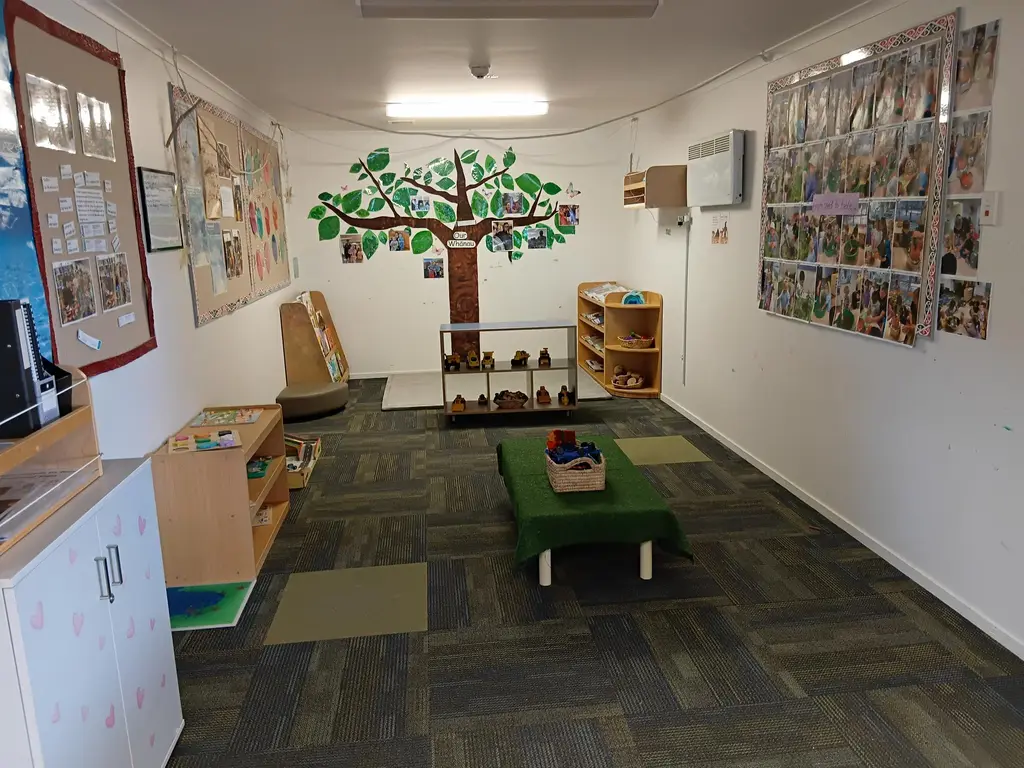
Our environment is thoughtfully designed to act as a third teacher, inviting tamariki to explore, collaborate, and engage deeply with materials and ideas.
As many tamariki prepare for school, we place emphasis on curiosity, resilience, communication skills, self-regulation, and growing awareness of early literacy and numeracy concepts.
Respect, kindness, and manaakitanga guide the way we interact with one another and care for our environment.